






The 1xBet APK: Download Safety and Install Steps
Gambling apps are not always listed in the usual app stores, and availability depends heavily on where someone lives. Because of that, Android users often come across the 1xBet APK as the route to the platform's full mobile service. An APK is simply the installation file format Android uses, and sideloading one is a normal process when handled carefully. This guide walks through what the file is, where people go wrong during setup, and how to get the app running without unpleasant surprises.
Understanding the APK File
An APK is an Android Package Kit, the container format that carries every app on the platform. When an application sits outside a store listing, the file travels straight to the device and the user installs it manually. That skips the store's screening layer, so the burden of checking the source shifts to the person downloading. The 1xBet APK packages the same account system, betting markets and casino catalogue the desktop site offers, compressed into a file small enough to fetch over a mobile connection. Anyone comfortable moving files around a phone can handle it.
What to Check Before You Download
Safety starts before the file touches the phone. A few quick habits filter out nearly every bad source:
- Confirm the page address matches the platform's real domain rather than a lookalike.
- Prefer the file served on the operator's own pages over one rehosted elsewhere.
- Let the device's on-download scanner review the APK before opening it.
- Check that the download completes without a redirect chain through unrelated sites.
The safest place to start is the operator's own site, where 1xbet apk latest on android sits within the navigation rather than on a random mirror page. Treated files from forums or chat groups deserve particular suspicion, because anyone can re-upload an installer under a familiar name.

Getting From Download to Installed
Once the file lands on the device, installation takes only a few taps:
- Fetch the APK and let it finish completely before tapping it.
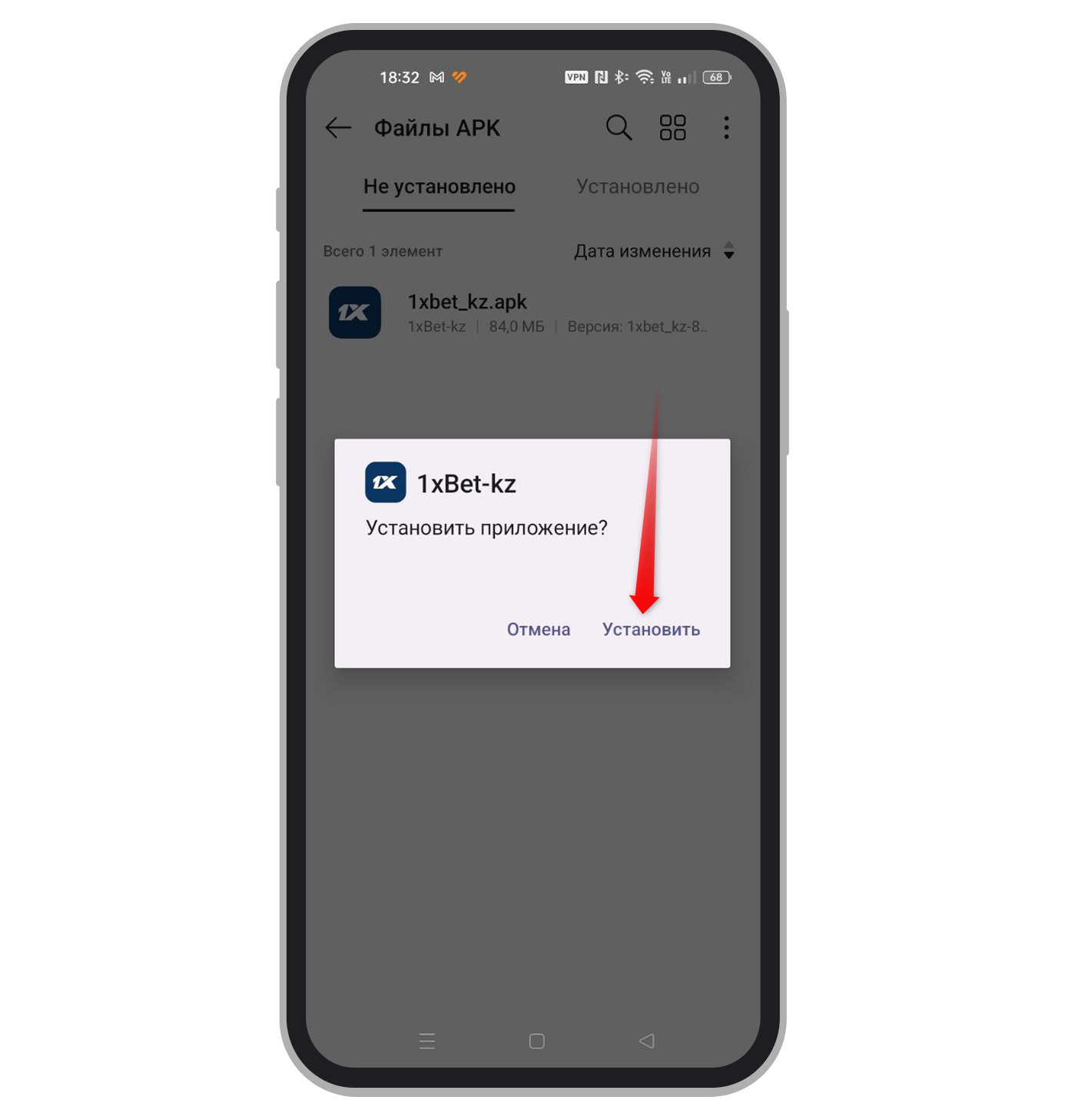
- Open the file from the browser's download tray or a file manager.
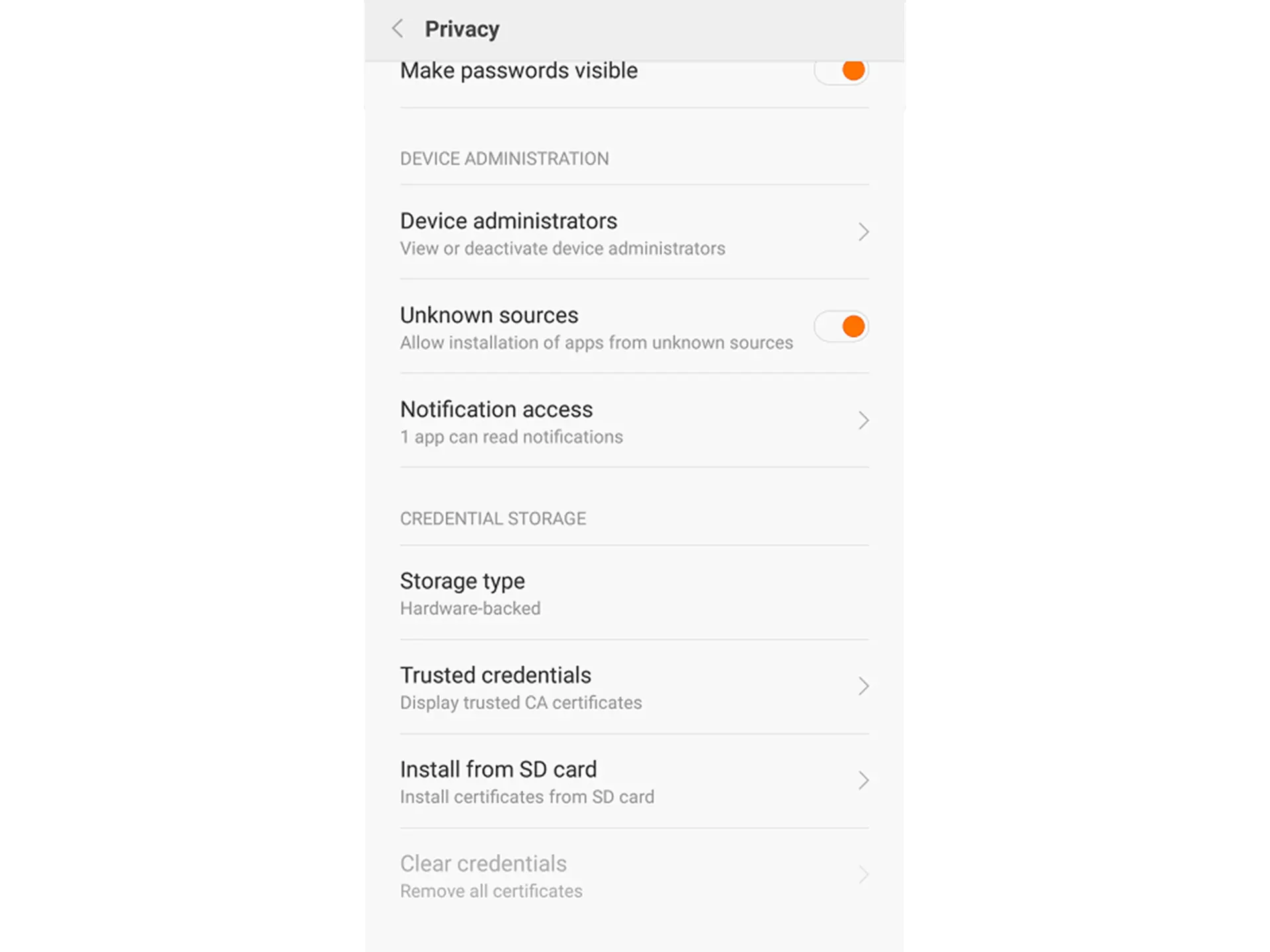
- When Android asks, permit that one source — the browser or file manager — to install apps.
- Wait for the confirmation screen, then sign in or register inside the app.
That permission prompt is the part that confuses people, and the section below breaks it down in detail. For anyone who prefers a walkthrough laid out as a single sequence, 1xbet apk latest download apk collects the same stages in one place without extra distractions.
How Unknown Sources Actually Works
Android does not flip one global switch for outside apps. Instead, it grants the permission to the specific app trying to open the installer, whether that is a browser, a file manager or another tool. Approving the request means "this app may place installers from now on," not "everything is allowed." That distinction matters for safety, because the window stays narrow. After the installation completes, the permission can be withdrawn again through the same settings menu, shrinking the chance of something unwanted slipping through later. Grant it, install, revoke it — that rhythm keeps the device tidy.
Errors People Hit and What Fixes Them
Most failed setups trace back to a handful of familiar causes, and each one has a direct remedy:
| Symptom | Likely Cause | Fix |
|---|---|---|
| "Install blocked" message | Source not approved | Grant permission to the opening app |
| File will not open | Incomplete download | Re-fetch the full file |
| Parse or certificate error | Corrupted or mismatched file | Download again from a trusted page |
| Update refuses to install | Signature mismatch | Remove the older build first |
Beyond the table, two less obvious situations deserve mention. Insufficient free storage can silently kill an install, so clearing space often resolves a stuck setup. Security tools on some devices also quarantine sideloaded files, in which case checking that app's quarantine list recovers the installer.
Sorting Out the Permission Prompt
The unknown-sources step is where most installations stall, so it earns its own checklist:
- Approve the prompt only for the app actually opening the installer.
- If no prompt appears, look for the permission screen manually in settings.
- Toggle the approval, return to the APK, and launch it again.
- Revoke the approval once the app icon appears on the home screen.
Following this order turns a confusing roadblock into a thirty-second task. The only real mistake is leaving the permission open forever, which invites trouble the next time a random file lands on the device.
Keeping the App Current
Sideloaded apps do not refresh themselves the way store installs do, so updates arrive as fresh APK files. A new build normally installs straight over the old one, preserving the login and settings. The exception is a certificate mismatch: when an update was signed by a different key than the installed copy, Android refuses the replacement outright. Removing the existing app first clears that clash, though uninstalling may wipe locally stored data such as cached preferences. Signing back in afterwards restores the account side, but anything saved only on the device is gone.
What the App Puts in Your Pocket
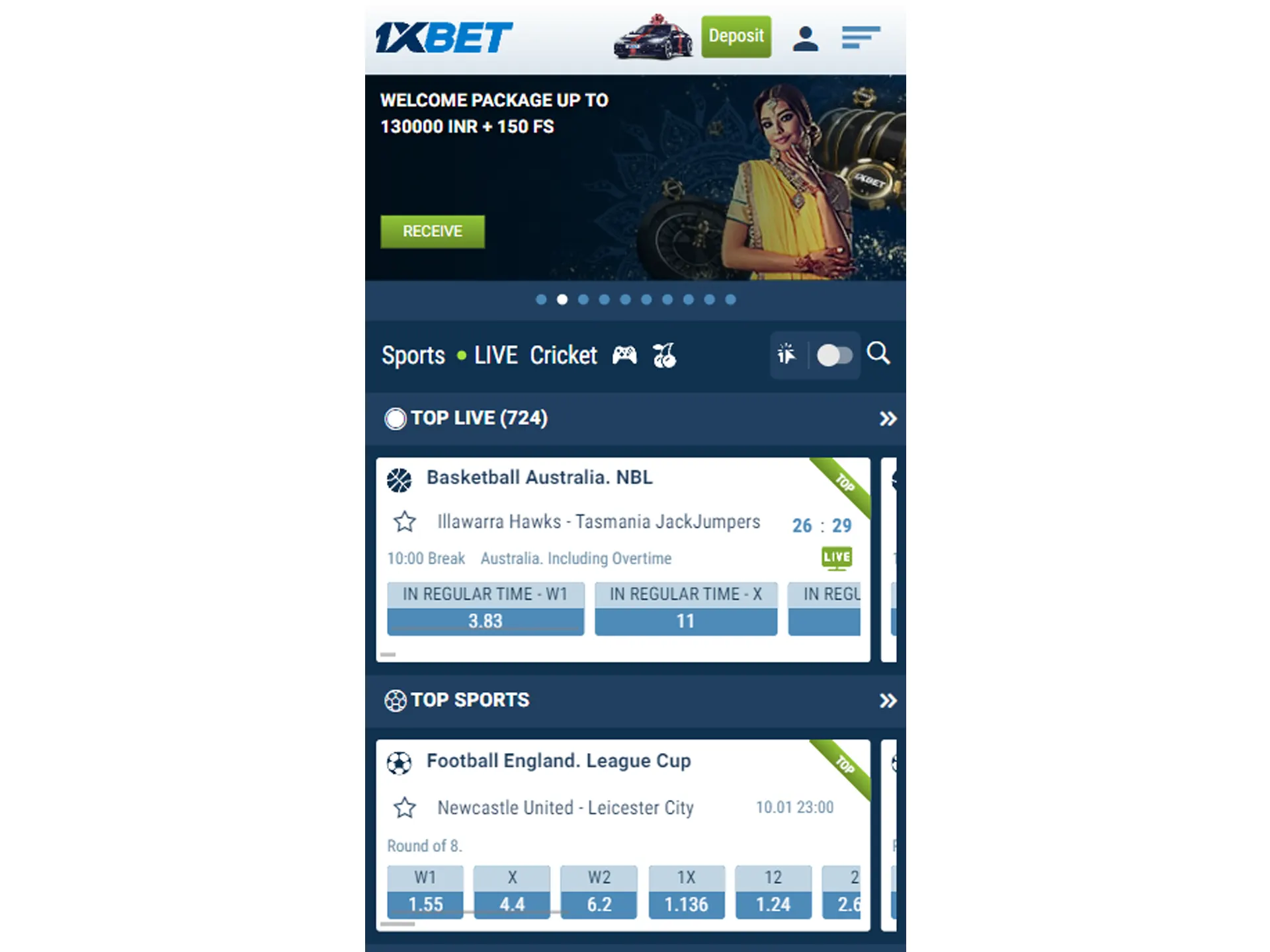
Once running, the application mirrors the platform's core offering rather than a cut-down version. Depending on region and release, the lobby typically includes:
- Pre-match and live sports betting across a wide fixture list.
- In-play markets with shifting odds as events unfold.
- A casino area with slots and table-style games.
- Deposit and withdrawal tools tied to the same wallet.
- Account controls for limits, history and personal details.
Menus, payment methods and even visible sections differ between regions, operating systems and app versions, so two users may not see identical layouts. The underlying account, balance and bet history stay the same regardless of which screen they are viewed on.
When Installation Just Won't Cooperate
Sometimes a device refuses to cooperate no matter how carefully the steps are followed. Older operating systems, aggressive security software or regional restrictions can each block the installer. In those cases the mobile website covers the same ground through a browser, with no download and no permission prompts at all. The account works identically, and a shortcut can be pinned to the home screen so it behaves almost like an app. Performance and layout vary by browser and connection, yet for many users the difference is small enough to ignore. It is a practical fallback rather than a compromise.

FAQ
Is it really risky to install the 1xBet APK on this device?
The file itself is an ordinary installer, and risk comes mainly from where it was fetched. Sticking to the operator's own pages and scanning the file before opening it covers the main concerns.
Why does Android block the installation on a new phone?
Because sideloaded apps need explicit per-app approval. Grant the permission to the browser or file manager opening the APK, then try the installer again.
Do I need to remove the old app before updating?
Usually not; a new build installs over the existing one. Only a signing-certificate conflict forces a removal first, which may erase locally stored data.
Can I undo the unknown-sources permission?
Yes. The approval can be revoked from the same settings area right after installation, and the installed app keeps working without it.
What if the APK refuses to install at all?
Re-download the file, free up storage, and confirm the source permission. If the device still resists, the mobile website provides the same account access with nothing to install.